


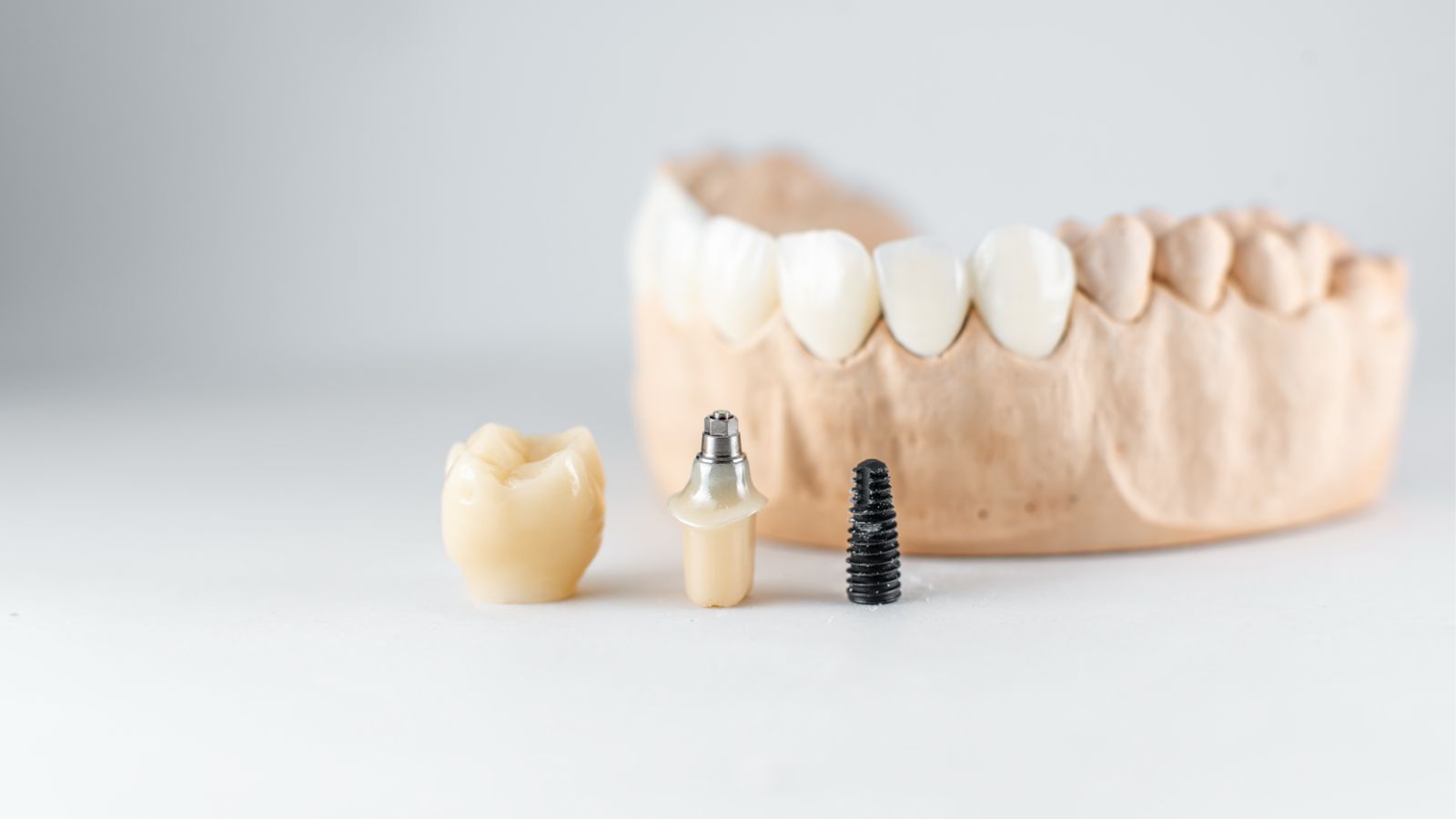
What Are All-on-4 and All-on-6 Dental Implant Treatments? Tooth loss can significantly affect a person’s quality of life, both aesthetically and functionally. For patients who have lost most or all of their teeth, modern implant dentistry offers reliable and long-lasting solutions. Among the most widely used treatments are All-on-4 and All-on-6 dental implant systems. These treatments allow patients to regain fixed teeth in a relatively short time, providing a comfortable alternative to removable dentures. What Is the All-on-4 Implant Treatment? The All-on-4 implant treatment is a method in which a full arch of fixed teeth is supported by four dental implants placed in the jaw. In this technique: - Two implants are placed vertically in the front part of the jaw - Two implants are placed in the back at specific angles The angled placement of the posterior implants often allows the treatment to be performed without the need for bone grafting, even in patients with limited bone volume. Advantages of All-on-4 - Fixed teeth supported by only four implants - Often eliminates the need for bone grafting - Shorter treatment time - In suitable cases, temporary fixed teeth can be placed on the same day - Natural-looking aesthetic results and improved chewing function What Is the All-on-6 Implant Treatment? The All-on-6 implant treatment is similar in concept but uses six dental implants to support a full arch of fixed teeth. Using six implants may provide additional stability, particularly in patients who have sufficient bone volume. Advantages of All-on-6 - Increased support due to more implants - Better distribution of chewing forces - Stronger long-term stability - Suitable for patients with wider jaws or higher bite forces What Is the Difference Between All-on-4 and All-on-6? The primary difference between the two techniques is the number of implants used to support the prosthetic teeth. - All-on-4: Full arch supported by 4 implants - All-on-6: Full arch supported by 6 implants The most appropriate option depends on several factors, including: - Bone density and volume - Jaw anatomy - Bite force - Aesthetic expectations For this reason, the final treatment plan is determined after a detailed clinical examination and 3D CBCT imaging. How Does the Treatment Process Work? The treatment generally includes the following steps: 1. Consultation and treatment planning A clinical examination and 3D imaging are used to evaluate the jawbone and determine the most suitable approach. 2. Implant placement Any remaining teeth that cannot be saved are removed, and the implants are placed in the jawbone. 3. Temporary fixed teeth In many cases, temporary fixed teeth can be placed on the same day or within a few days. 4. Final prosthesis After the implants fully integrate with the bone (usually within 3–4 months), the final permanent teeth are placed. Who Is a Good Candidate? All-on-4 and All-on-6 implant treatments are often suitable for patients who: - Have lost all or most of their teeth - Struggle with removable dentures - Want a fixed and long-term solution - Desire improved aesthetics and chewing function However, suitability for treatment can only be confirmed after a comprehensive dental examination. Conclusion All-on-4 and All-on-6 implant treatments are among the most effective modern solutions for patients with full tooth loss. When carefully planned and performed by experienced dental professionals, these treatments can restore both function and aesthetics, allowing patients to enjoy a confident smile and improved quality of life. If you would like to learn more about your treatment options, a consultation with our dental specialists can help determine the most suitable solution for your individual needs.
Written by Dentist Alpaslan Burak Zorlu